Top surgery is one of the most impactful gender-affirming procedures for transgender men and non-binary individuals. The outcome — a flat, masculine chest — is consistent across techniques. But the path to that outcome, and what you live with afterward, varies significantly depending on which technique is used.
The wrong technique for your anatomy can result in excess skin that wasn’t fully removed, nipple placement that doesn’t sit right, or scarring that is more visible than it needed to be. The right technique — matched carefully to your breast size, skin elasticity, and personal priorities — produces a result that looks natural, heals well, and that you stop thinking about because it simply feels correct.
At APS Gender Care in Bangkok, Dr. Ae offers three top surgery techniques. Here is what each involves, who it suits, and — for one of them — a specific detail about how APS performs it differently that most patients don’t know to ask about.
For what each technique costs, see our FTM top surgery cost and recovery guide.

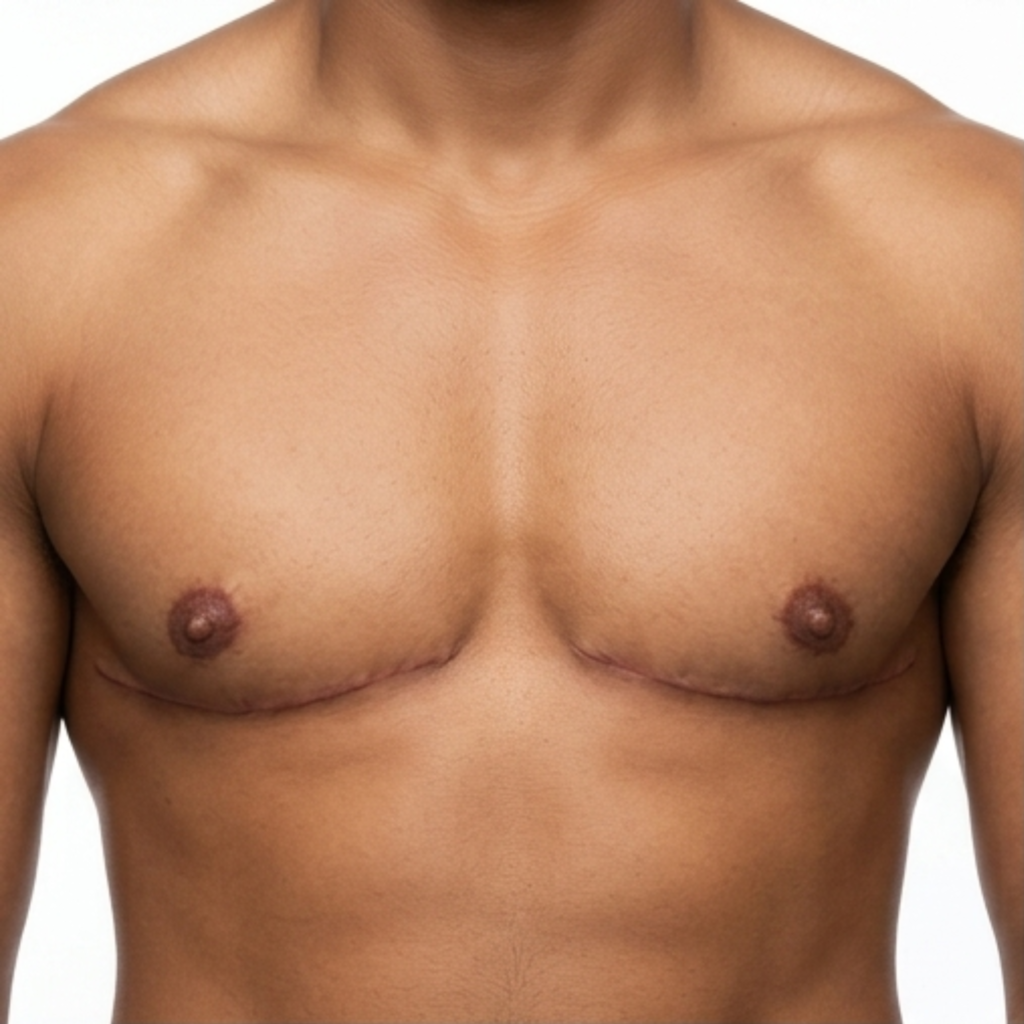
- All breast tissue and excess skin removed via curved incisions under the chest
- Nipples resized, repositioned, and grafted to a masculine chest position
- Nipple sensation changes — feels like touching the back of your hand rather than numbness
- Curved incision technique at APS — scar follows pectoral muscle contour
- Suitable for C cup and above
- One session only
- 1-night clinic stay
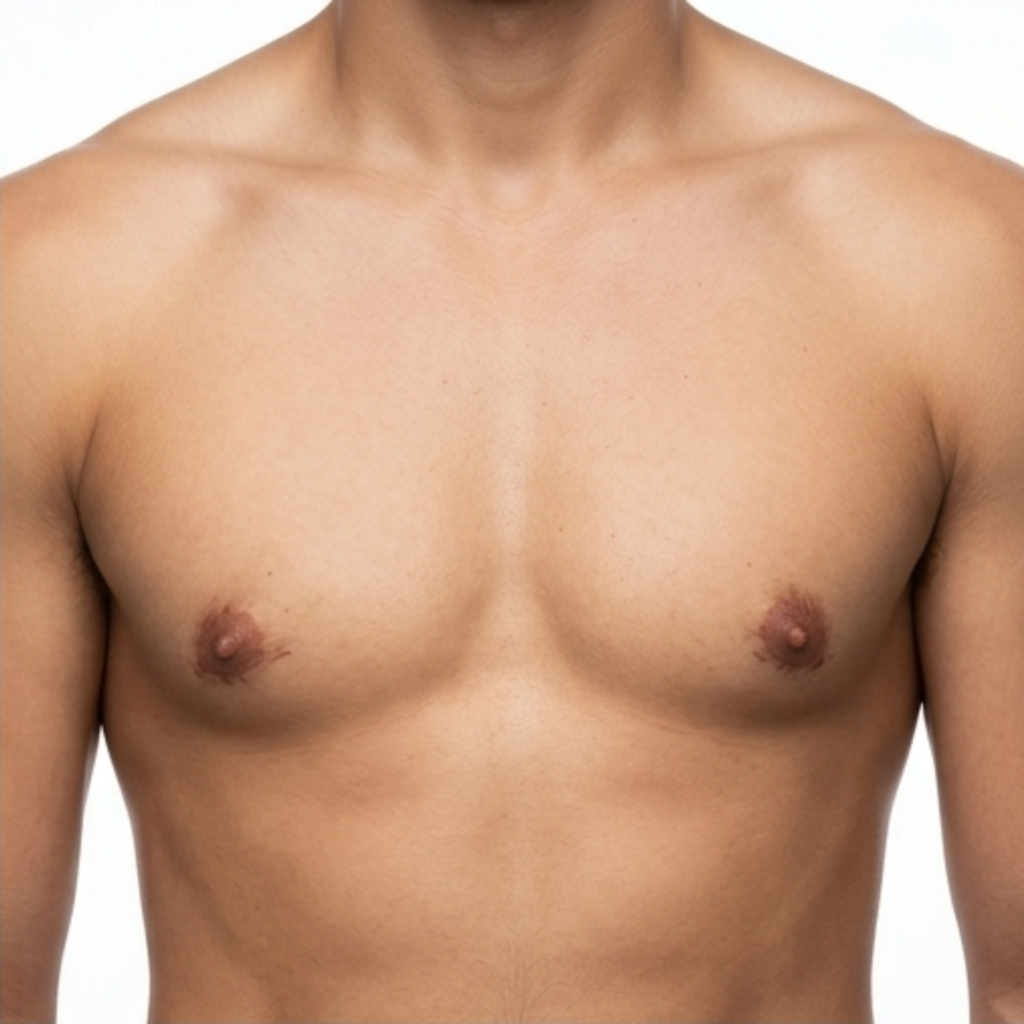
- Breast tissue removed through a small incision at the areola border
- Nipples and areolas remain in their original position — no repositioning
- Full nipple sensation preserved
- Minimal visible scarring — incision hidden at the areola edge
- Requires A or B cup with good skin elasticity
- Two sessions total — nipple touch-up ~3 months after first surgery
- 1-night clinic stay per session
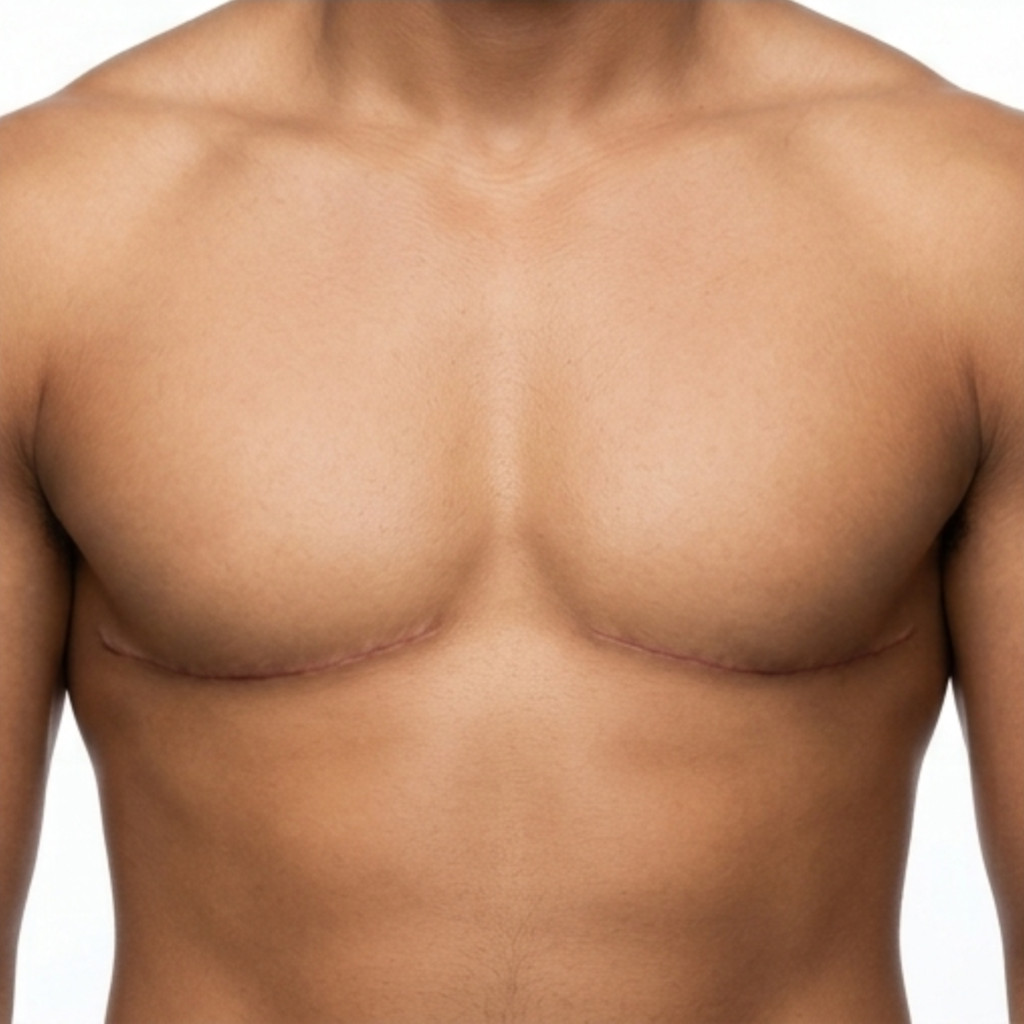
- Full breast tissue and nipples completely removed
- Maximum chest flatness — no nipple mounds or areola
- Suitable for patients who do not want nipples at all
- Nipples cannot be restored surgically after this technique — tattooing or revision surgery for cosmetic appearance only
- One session
- 1-night clinic stay
The Technique Detail Most Clinics Don’t Talk About — APS’s Curved Incision
For patients having the nipple graft (double incision) technique, almost every Bangkok clinic uses a straight horizontal incision across the lower chest. APS does not. Dr. Ae uses a curved incision that follows the natural arc of the lower pectoral muscle — and this makes a meaningful difference to the long-term appearance of the scar.
Here is why it matters…
As FTM patients develop chest muscle through exercise and testosterone — which most do over the years following top surgery — the lower edge of the pectoral muscle creates a natural curved shadow line across the lower chest. A straight horizontal scar sits across this area in an anatomically incongruent way, remaining visible even as the muscle develops because it does not follow the body’s natural lines.
A curved scar, positioned to follow the contour of that lower pectoral edge, gradually migrates into the shadow line of the muscle as it develops. With arms relaxed at the sides, the scar can become nearly invisible — sitting in the natural curve “under” the muscle rather than across it.
“The straight double incision scar is the standard approach and it works — patients get a flat chest and the scarring fades over time. But for patients who go on to build chest muscle, a straight scar across the lower pec becomes a detail that can draw the eye even years later because it doesn’t match the anatomy. I use a curved incision that anticipates what the chest will look like as it develops. For a patient who is going to be active and muscular, this is worth thinking about at the time of surgery — not as an afterthought years later.”
— Dr. Phatwira Pattarajierpan (Dr. Ae), Lead Surgeon, APS Gender Care Bangkok
Why keyhole isn’t always the right choice for international patients
Keyhole is usually presented as the best option — smallest scar, nipples kept, the best chance of retained sensation. If you have researched top surgery elsewhere, you have probably come away assuming it is what you should want.
Two things most sites do not tell you.
Keyhole only works for A and B cup sizes. Tissue is removed through a small incision, but skin is not. The technique relies on your chest having enough elasticity to retract on its own afterward. Above a B cup there is too much skin left behind, and the result will not be flat.
Keyhole is performed as two separate surgeries, one to three months apart. For someone living in Bangkok, a second procedure is an inconvenience. For someone flying in from Australia, the United States or Europe, it means two rounds of flights, two blocks of time off work, and two stretches of accommodation — often thousands of dollars on top of the surgical fee.
In practice, most of our international patients cannot make the second trip. That is why mastectomy with nipple graft and full mastectomy are the techniques we most commonly perform, despite keyhole being the one people arrive asking about.
None of this means keyhole is wrong for you. If you are an A or B cup and can commit to two trips — or live close enough that a second visit is straightforward — it remains an excellent option. But you should choose it knowing the full cost in time and money, not just the surgical fee.

Managing Your Scar After Top Surgery at APS
Whatever technique is used, scar management is a critical part of the post-surgical process that significantly affects the final result. At APS, patients receive a scar management protocol from the day of discharge — and it is worth following consistently.
Weeks 2–12 — Silicone Scar Gel: Essential
Once the incision is fully closed and healing is established, silicone scar gel is applied daily. This is the most evidence-backed intervention for reducing scar thickness, redness, and elevation. During the first year, this is non-negotiable — the scar is actively remodelling and responding to treatment. APS provides gel recommendations and instructions at discharge.
Months 3–12 — Consistent Application
Silicone gel continues daily throughout the first year. Sun protection over the scar is also important during this period — UV exposure can permanently darken a healing scar. Keep the scar covered or use SPF 50+ when exposed to sunlight.
After 12 Months — Taper Off
After one year, the scar has completed most of its active remodelling. Silicone gel can be gradually tapered and eventually stopped. By this point the scar should be significantly flatter, lighter, and less visible than in the early months. The final appearance continues to improve subtly over 18–24 months.
Scar appearance at 3 months is not the final result. Patients who stop treatment early because the scar looks bad are making the mistake of judging the outcome before it is complete. Full maturation takes 12–18 months — consistent treatment during this window produces dramatically better outcomes than doing nothing.
Nipple Sensation — What to Realistically Expect
Nipple sensation is one of the most commonly asked questions before top surgery and one of the areas where expectations most often diverge from outcomes. Here is an honest breakdown per technique:
Keyhole (Preserved Nipples)
Because the nipples remain attached throughout surgery with their original nerve and blood supply intact, full nipple sensation is preserved. This is one of the primary advantages of the keyhole technique for patients who are suitable candidates. Sensation typically returns to normal within a few months of surgery as post-operative swelling resolves.
Double Incision with Nipple Graft
The nipples are detached and re-grafted — meaning the original nerve connections are severed during surgery. Sensation after nipple graft mastectomy is significantly different from before surgery, but this does not mean numbness. The best description most patients give is that the nipple feels similar to touching the back of your hand — there is sensation and the area is not numb, but the specific erogenous sensitivity of the nipple before surgery is not replicated. This varies by individual, and some patients report gradual return of increased sensation over the first 1–2 years.
Full Nipple Removal
There is no nipple sensation after full removal, as the nipple and areola are completely excised. The chest skin surrounding the removal site retains normal sensation, but the nipple area specifically will have no sensation. This is the expected and understood outcome for patients who choose this technique — it is the trade-off for maximum chest flatness.
I always tell patients choosing the nipple graft technique to think of the sensation change as a transformation rather than a loss. You are not going from sensation to nothing — you are going from one type of sensation to a different type. Most patients, when I see them at follow-up months later, tell me it is less significant than they expected it to be before surgery. The dysphoria relief from having a flat chest tends to far outweigh the change in nipple sensation for most patients who have been waiting years for this surgery.
— Dr. Phatwira Pattarajierpan (Dr. Ae), Lead Surgeon, APS Gender Care Bangkok
- You are C cup or above
- You want everything done in one session
- You are comfortable with the sensation change
- You plan to build chest muscle over time
- You want nipples repositioned to a masculine placement
- You are A or B cup
- You have good skin elasticity
- Nipple sensation is a priority
- Minimal scarring is important to you
- You are comfortable with two sessions
- You are not planning significant weight changes before surgery
- Maximum flatness is your primary goal
- You do not want nipples or areolas at all
- You are non-binary and prefer a smooth chest aesthetic
- Nipple sensation is not a priority for you
- You understand the result is permanent and irreversible
One important note on full nipple removal: this is a permanent decision. Nipples removed during this technique cannot be surgically restored. Nipple tattooing or a minor revision procedure can create the cosmetic appearance of nipples — but these are surface-level options, not restoration of the original anatomy. APS will ensure you have had time to fully consider this before confirming the technique. If you are uncertain between nipple graft and full removal, Dr. Ae will always recommend starting with the graft — which preserves more options — rather than moving straight to full removal.
Recovery and How Long to Stay in Thailand
Recovery from top surgery at APS follows a consistent timeline across all three techniques, with minor variations depending on the extent of tissue removed.
- Surgery day: procedure performed under general anaesthesia at the APS clinic. Most patients are up and walking the same day.
- Day 1: discharge after one night. Transfer to Bangkok hotel.
- Days 2–7: rest and light activity. Drains typically removed around day 3–5. Dressings managed by APS nurse.
- Days 7–10: stitches reviewed. Compression garment fitting adjusted. Scar gel protocol begins once incisions are fully closed.
- Day 10–14: pre-departure check with Dr. Ae. Cleared for long-haul travel.
- Recommended total stay: 10–14 days
For patients combining top surgery with hysterectomy in the same session, the stay extends to approximately 2–3 weeks to cover both recoveries. APS coordinates the full scheduling including clinic appointments, hotel proximity, and optional daily nurse visits.
→ Combining with other FTM procedures: top surgery at APS can be combined with FTM hysterectomy and abdominoplasty (tummy tuck) in the same surgical session, depending on your health and BMI. Ask Dr. Ae about combination surgery during your free consultation.
Quick Comparison — All Three Techniques
| Factor | Keyhole (Preserved Nipples) | Nipple Graft (Double Incision) | Full Nipple Removal |
|---|---|---|---|
| Breast size | A / B cup only | C / D+ cup | Any cup size |
| Sessions | 2 (~3 months apart) | 1 | 1 |
| Nipple sensation | Full sensation preserved | Changed — not numb, different quality | None |
| Nipple position | Original position — no repositioning | Repositioned to masculine placement | No nipples |
| Scarring | Minimal — hidden at areola border | Curved under-pec scar (APS method) | Curved line, no nipple |
| Incision type | Peri-areolar | Curved double incision (APS) | Curved double incision |
| Reversible? | N/A — nipples retained | N/A — permanent reconstruction | No — permanent |
| Bangkok stay | 10–14 days per session | 10–14 days | 10–14 days |
| Can combine with hysterectomy? | Yes | Yes | Yes |
To book, see top surgery at APS.
How APS Decides Which Technique to Recommend
The technique decision is made during your free online consultation with Dr. Ae. Before the consultation, APS will ask you to submit photos of your chest — front, side, and three-quarter angle — so Dr. Ae can assess your breast size, skin elasticity, and tissue distribution before you even speak.
During the call, Dr. Ae reviews your anatomy, discusses your goals, and explains her recommendation with the clinical reasoning behind it. You will receive a written summary of the recommended technique and what to expect. There is no commitment required to proceed — the consultation is purely informational until you decide you are ready.
If you are between techniques — for example, borderline A/B cup wondering whether you qualify for keyhole — Dr. Ae will give you an honest assessment rather than defaulting to the more complex technique. At APS, the goal is always the right outcome for your specific body, not the procedure that is easiest to standardize.
You can read more about the APS top surgery process, recovery packages, and what to bring on the Top Surgery page, or read our complete FTM top surgery guide here.